LICENSING SETS THE FRAMEWORK
In London, the most elegant event still begins with paperwork. Whether you are planning a runway presentation during London Fashion Week, a private product reveal, or a one-night-only showroom, licensing determines what the venue can legally host, when it can operate, and how far your creative brief can stretch. For anyone sourcing event venue hire London, this is where the practical conversation starts — ideally before the set designer has committed to a build and the lighting team has booked their rigging.
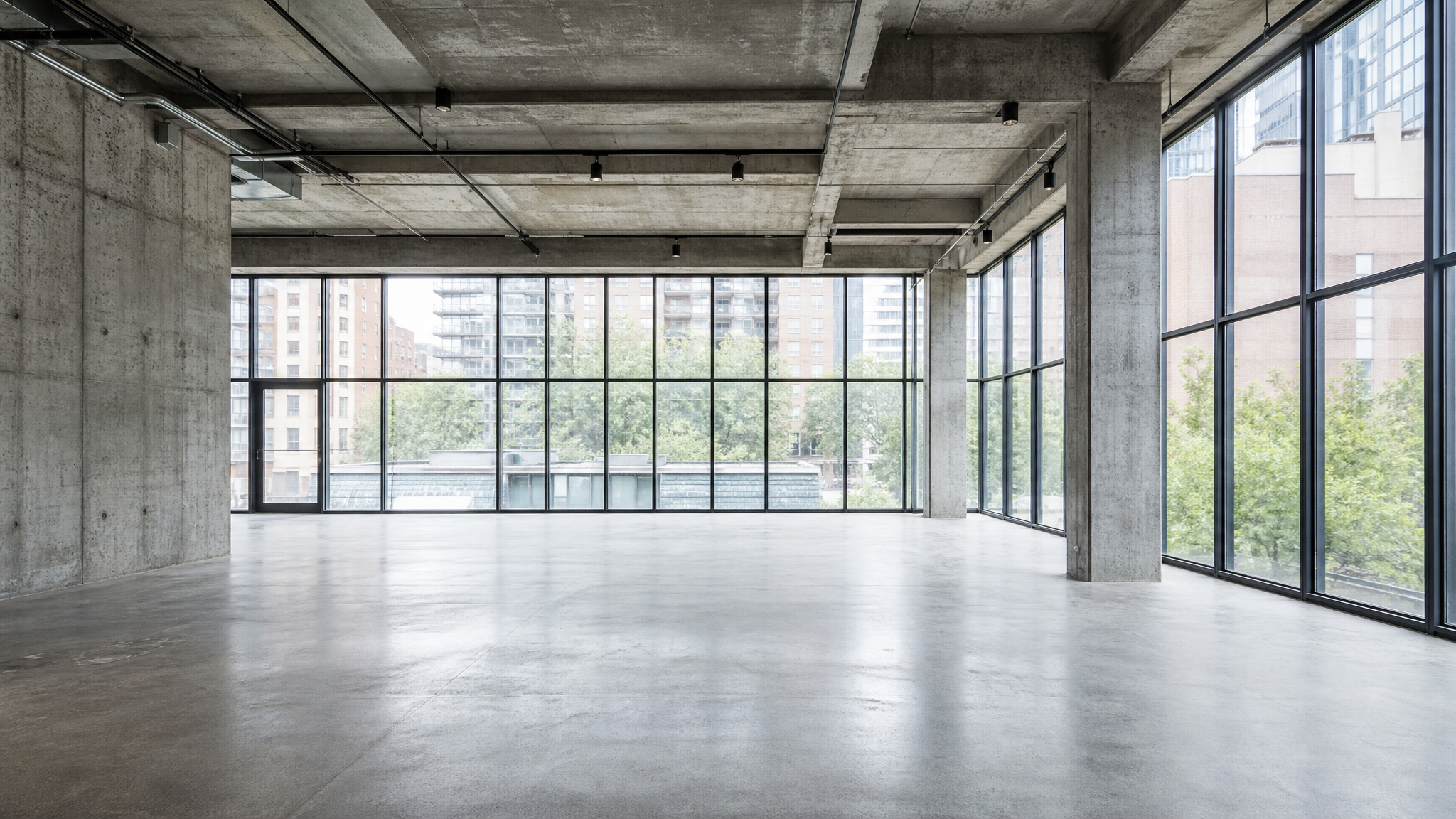
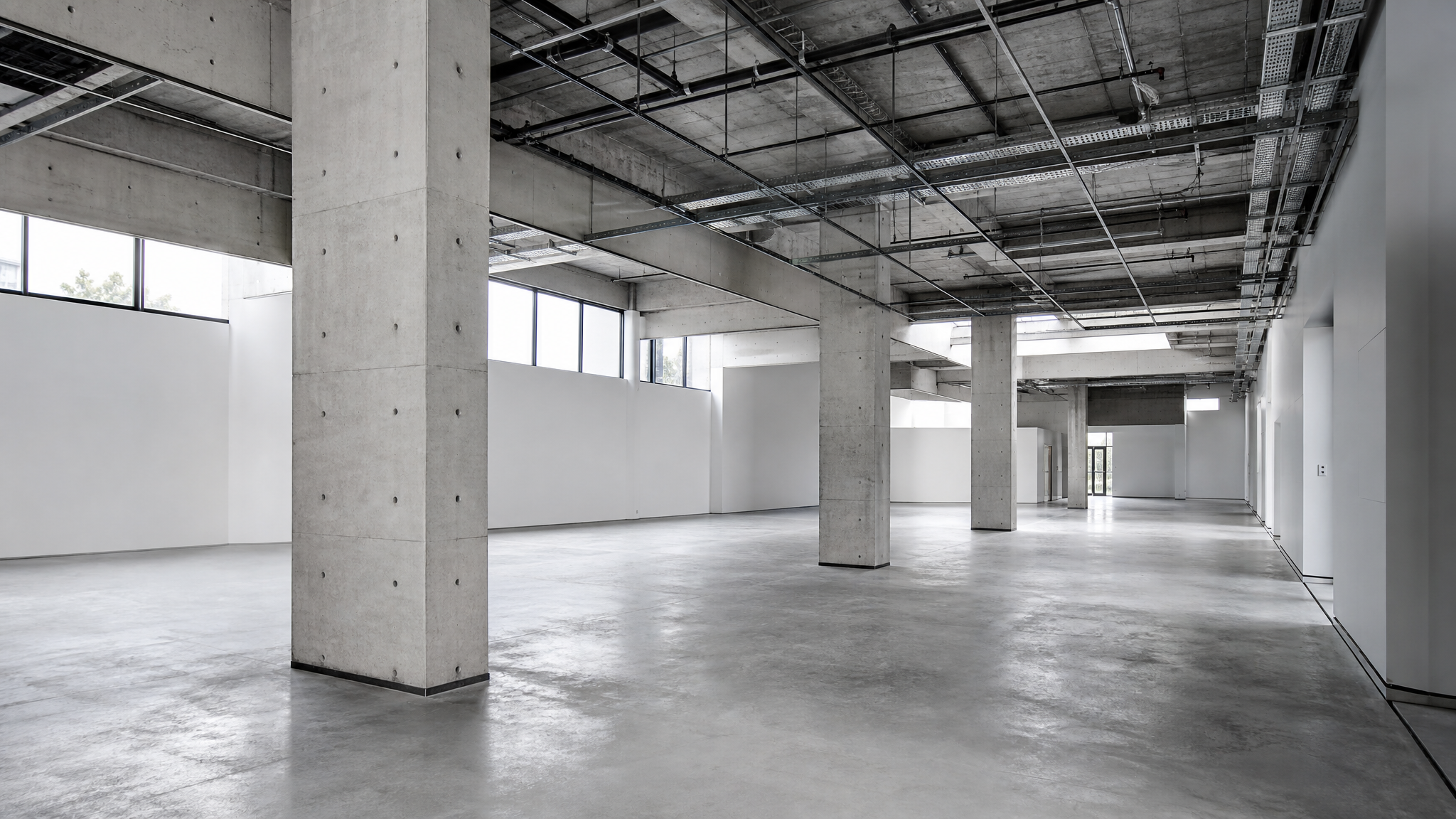
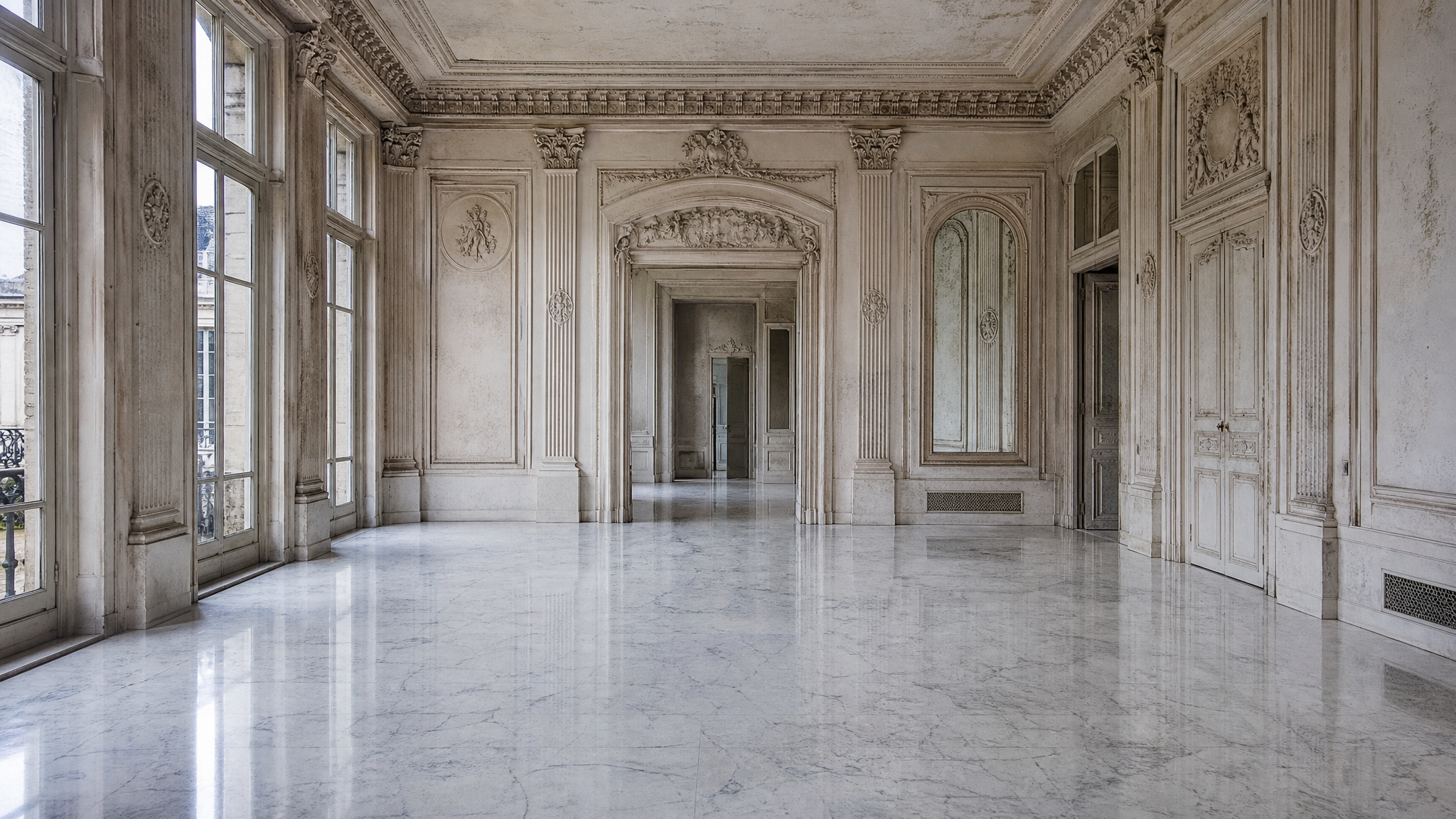
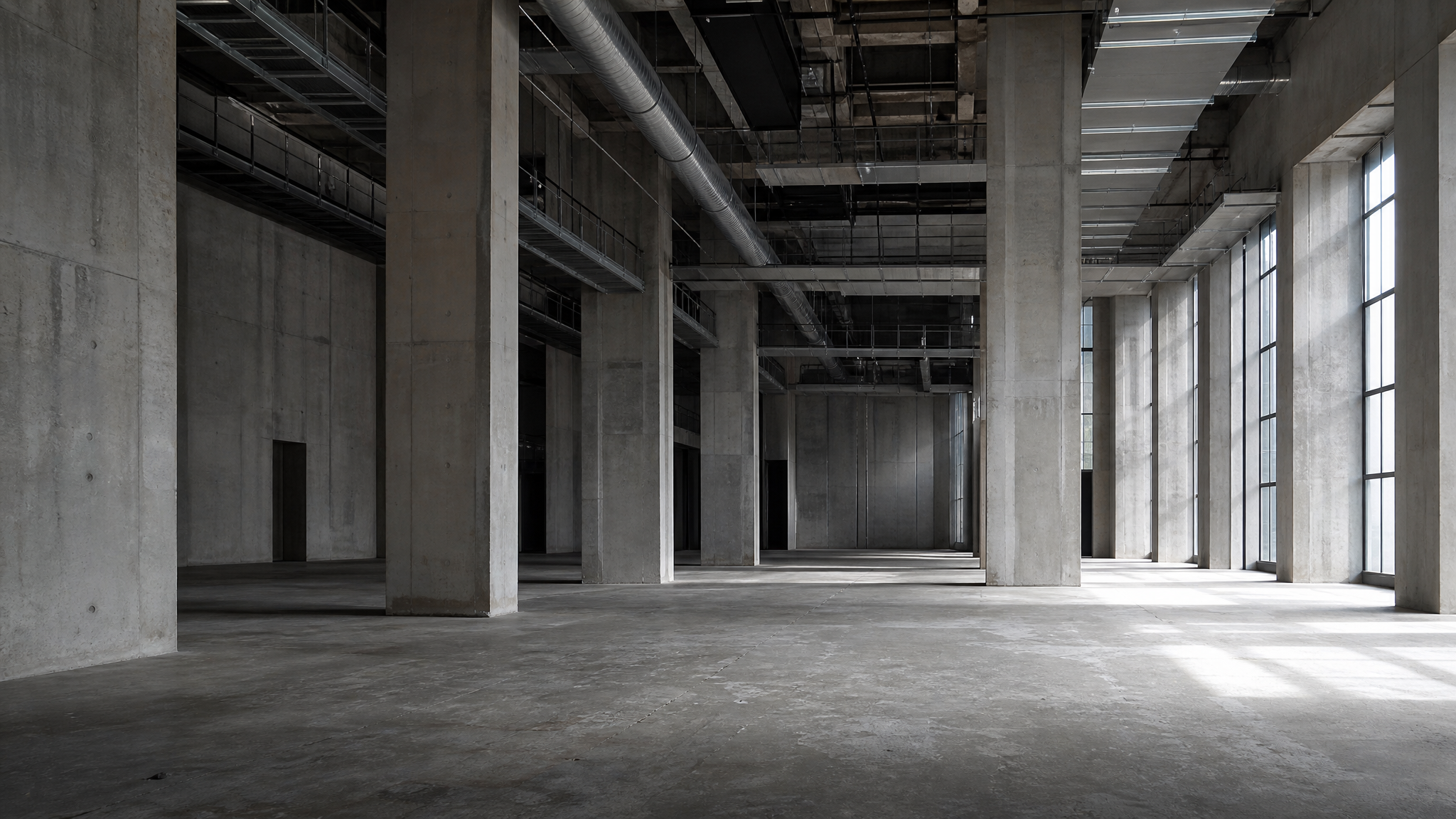
Licensing in the capital is rarely one-size-fits-all. A warehouse venue Shoreditch may suit a bold catwalk concept but come with stricter conditions around amplified sound, capacity, or late-night use. A townhouse space in Mayfair or Marylebone may offer a more discreet atmosphere, yet require tighter controls on access, delivery hours and guest movement. Even within the same borough, the rules can vary, so it pays to treat each London Fashion Week venue or pop-up shop space London as a distinct logistical proposition rather than a generic room with beautiful bones.
CURFEWS SHAPE THE EVENING
Curfews are the invisible hand of London event planning. They define the point at which music must end, guests must begin to disperse, and vehicles need to be ready outside. For fashion shows and VIP dinners, that single number can influence the entire run of the evening — from the pace of arrivals in Soho to the timing of the final toast on the South Bank. If a venue has a 10.30 pm curfew, a carefully staged 9.45 pm finale suddenly becomes less a flourish than a necessity.
This is particularly important for LFW, when schedules are compressed and the city is at full tilt. In February and September, organisers often need to balance multiple call times, press arrivals and back-to-back technical runs across neighbourhoods such as Fitzrovia, Covent Garden and King’s Cross. A strong venue partner will know how to work within those constraints, allowing for a polished guest experience without overpromising what the licence permits. It is one of the quieter but more valuable aspects of showroom hire London and catwalk venue London selection.
GET-IN TIMES ARE EVERYTHING
Get-in times are where ambition meets access. They govern when the production team may bring in stock, scenery, furniture, garments, AV equipment and floristry. For a fashion show, that might mean a dawn load-in followed by a tightly scripted rehearsal before doors open. For a showroom or launch, it could mean a staggered build over 24 hours, with deliveries arriving in slots designed to avoid traffic and congestion. In central London, the difference between a 7 am and 9 am get-in can be the difference between calm control and a rather expensive queue on the kerb.
The practicalities are especially acute around neighbourhoods with narrow streets or controlled access, such as Notting Hill, Bermondsey and parts of Shoreditch. Parking suspensions, loading bays, lifts, noise restrictions and neighbour sensitivities all shape the schedule. Even the most striking warehouse venue Shoreditch will need a realistic access plan if it is to function smoothly for a luxury brand presentation or an editorial shoot. The best event teams build backwards from the get-in, not forwards from the show moment.
WHAT TO CLARIFY BEFORE YOU BOOK
A serious venue conversation should cover more than aesthetics. Ask early about the premises licence, permitted hours, capacity, alcohol permissions, temporary event notices where relevant, and any restrictions on live music, DJs or amplified speech. Clarify whether the venue can accommodate overnight storage, how long you are allowed for fit-out and de-rig, and whether security, cleaning or waste removal sit with you or the space itself. For a pop-up shop space London, you will also want to know whether trading hours, customer access and stock replenishment can be supported without breaching the licence.
It is equally wise to ask about neighbours, servicing routes and contingency plans. A venue on the edge of Covent Garden may have excellent transport links but limited room for lorries; a space near the river on the South Bank may offer wonderful views but stricter controls on external noise or after-hours movement. In luxury events, discretion is often as important as drama. The smoothest productions are those in which the operational details have been anticipated long before the first guest steps through the door.
WHY LOCAL KNOWLEDGE MATTERS
London rewards precision, and local knowledge can save both time and budget. A venue that feels ideal on paper may, in practice, be difficult to service because of road closures, restricted delivery windows or a nearby event competing for kerbside space. Equally, a slightly less obvious address in Hackney, King’s Cross or Fitzrovia may offer a far better fit once curfews, access and load-in routes are properly understood. That is why seasoned organisers rarely choose a space on looks alone.
For fashion houses, agencies and production teams, the real value lies in finding a venue that supports the creative idea rather than fighting it. Whether you need a catwalk venue London for LFW, a discreet showroom hire London option for appointments, or a striking setting for a launch dinner, the logistics should feel invisible to the guest but entirely under control behind the scenes. If you would like a more considered route through the city’s most suitable ephemeral spaces, London Fashion Venues is well placed to help match the brief to the right operational framework.